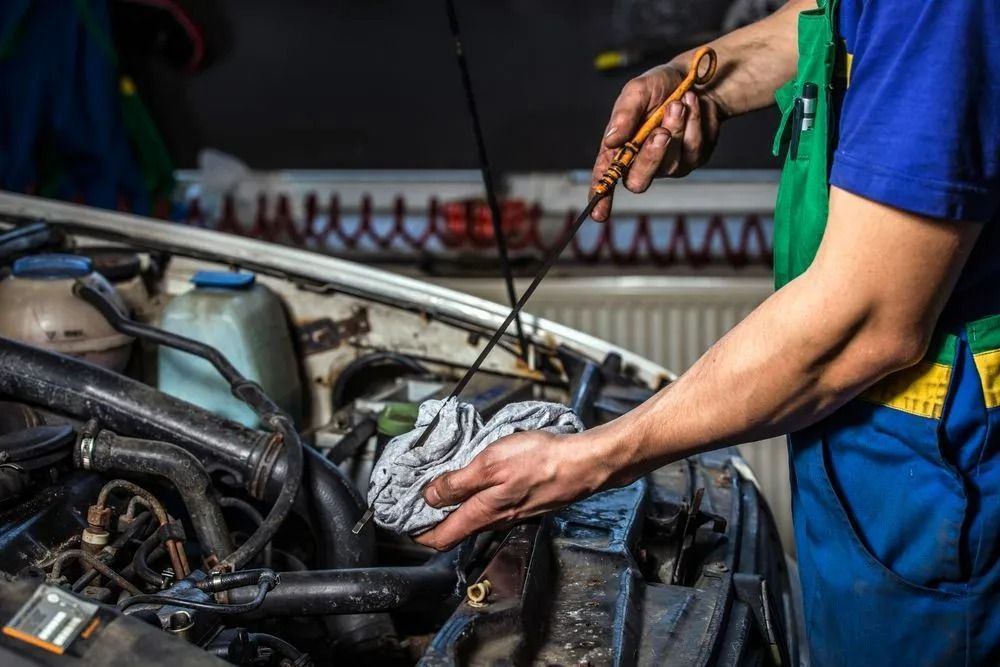

Electrical Faults Only Experienced Mechanics Can Spot Early

Mechanical Care • July 23, 2026

Car electrical systems have become increasingly complex over the past two decades. What once consisted of a battery, an alternator and a few basic circuits now includes dozens of electronic control units, sensor networks, CAN bus communication systems and advanced driver assistance features. That complexity means electrical faults rarely announce themselves clearly. They tend to surface as subtle symptoms that are easy to dismiss or misattribute — and by the time they become obvious, a small, fixable problem has often become a significant one.


This is where the experience of the mechanic genuinely matters. Spotting an electrical fault early isn’t just about having the right diagnostic equipment. It’s about knowing what to look for, understanding how different systems interact, and recognising the patterns that suggest something is developing before it fully fails.

Why Early Detection of Electrical Faults Matters

Electrical faults in modern vehicles rarely cause isolated problems. A failing sensor in one system can trigger warning lights, affect fuel delivery, disrupt transmission behaviour and confuse other control units simultaneously. A vehicle that presents with three or four unrelated-seeming symptoms may have a single underlying electrical cause that none of those symptoms directly points to.


The cost argument for early detection is straightforward. A failing alternator caught during a routine service, before it has discharged the battery and damaged the battery management system, is a fraction of the cost of the same fault discovered after a breakdown. A chafed wiring loom identified and repaired before it causes an intermittent fault or a short circuit is a minor repair. After years of unnoticed wear and the cascade of secondary faults it can create, it’s something much more expensive and time-consuming to sort out.

The Subtle Signs an Experienced Mechanic Looks For

Some electrical faults produce dramatic, obvious symptoms. Others are far more discreet, and are only apparent to someone who knows what normal looks like across a range of vehicle makes and age groups. During a thorough inspection, an experienced mechanic pays attention to:


  • Battery voltage and charging system output, looking for marginal readings that are within specification today but indicate a component nearing the end of its service life
  • Faint burning or plastic smells that can indicate overheated wiring or connections not yet visible as a problem from the outside
  • Subtle voltage drop across wiring circuits that causes components to function but not quite correctly — often the root cause of intermittent issues that clear themselves before a fault code is logged
  • Corrosion at earth points and connector terminals, which increases resistance over time and causes a wide range of seemingly unrelated electrical symptoms
  • Pattern recognition across stored fault codes, including codes that have been cleared but re-set, which tells a more informative story than the current scan result alone


Electrical faults are often intermittent, which is exactly why it takes an experienced technician to diagnose hard-to-find vehicle problems that a quick once-over would miss.

Flickering Lights and Intermittent Dashboard Warnings

Flickering interior lights, headlights that dim under load, or dashboard warning lights that appear briefly and then clear are among the most commonly dismissed early electrical symptoms. Drivers often put these down to a one-off glitch and move on. In some cases, they’re right. In others, they’re seeing the early stages of an alternator output issue, a failing earth connection, or a battery that is no longer holding an adequate charge under demand.


An intermittent warning light that clears before the vehicle reaches a workshop is particularly telling. The fact that it appeared at all means the system detected a parameter outside its normal range. A mechanic with access to live data and the time to interpret what the stored freeze frame data shows can often identify exactly what the vehicle saw when the light came on, even if the code has since cleared itself.

Unusual Noises and What They Really Mean

Not all electrical faults are silent. Some of the most informative early-warning sounds are electrical in origin and are frequently misidentified as mechanical. Common examples:


  • A clicking or ticking from the fusebox or relay area can indicate a relay cycling rapidly because a circuit is receiving incorrect voltage or a short-circuit load
  • A high-pitched whine that changes with engine speed, audible through the speakers or as a faint cabin noise, is a classic symptom of alternator interference on the audio circuit — and an early indicator of alternator bearing or regulator deterioration
  • A faint buzz or hum from under the bonnet that isn’t present during normal operation but appears when accessories are switched on can point to a ground loop or a failing component in the charging circuit
  • Clicking from a starter motor that doesn’t result in starting, especially on a cold morning, often indicates a battery with insufficient cold cranking capacity rather than a starter fault


These sounds are easy to filter out in daily driving. An experienced mechanic actively listens for them during an inspection and treats them as data rather than background noise.

How Often Should You Service Your Car to Catch Faults Early?

Regular servicing is the primary mechanism through which early electrical faults get caught before they develop. A vehicle that is serviced on schedule gets periodic fresh eyes on its electrical system: battery and charging system checks, visual inspection of accessible wiring and connectors, a diagnostic scan for stored fault codes and a review of how the major electrical systems are performing.


The appropriate service interval varies by vehicle make, model, age and usage. If you’re unsure how often you should service your car, our Belconnen team can map out the right interval for your vehicle based on the manufacturer’s schedule and how and where you drive.

Why Experience Beats Guesswork With Auto Electrics

Modern scan tools are powerful, but a fault code is a starting point for diagnosis, not a diagnosis in itself. A code indicating a fault in a particular sensor or actuator tells you that the system detected a problem in that circuit. It doesn’t tell you whether the fault is in the component, in the wiring to it, in the earth circuit, in the power supply, or in the control module that monitors it. Replacing the named component and hoping for the best is guesswork, and it’s an expensive habit.


Experienced mechanics work through the fault tree systematically, testing each variable rather than assuming. From batteries to wiring and lighting, our auto electrical specialists have the diagnostic tools and the interpretive experience to trace a fault back to its actual source rather than its nearest reported symptom.

When to See a Mechanic in Belconnen

Some electrical symptoms warrant same-week attention rather than waiting for the next scheduled service. If your battery warning light has appeared, if a warning light has come on and stayed on, if you’ve noticed a consistent change in how your vehicle starts or how it idles, or if you’ve experienced an intermittent loss of power to accessories, these are all signals worth getting checked.


If any of these warning signs sound familiar, it is worth booking in with a Mechanic in Belconnen drivers trust before a small fault turns into a roadside breakdown. The earlier an electrical issue is diagnosed, the more straightforward it usually is to fix.

Mechanical Care: Auto Electrical Diagnostics in Belconnen

Mechanical Care provides vehicle servicing, electrical diagnostics and repair for Belconnen and surrounding Canberra suburbs. Our team uses current diagnostic equipment and brings the hands-on experience to interpret what the data is telling us, not just what the code says.


Book online or call us to arrange a service or electrical inspection.

Experienced Mechanic Checking Engine Oil In Canberra
By Mechanical Care June 26, 2026
Find signs of expert vehicle care with an Experienced Mechanic in Canberra. Get reliable servicing, skilled repairs and book your inspection today.
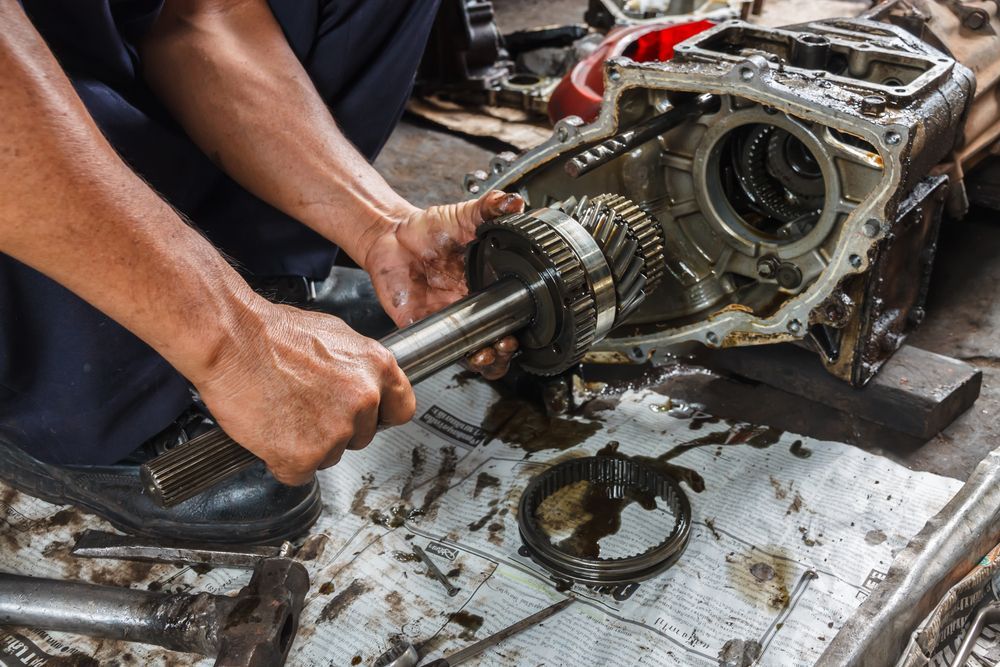
Mechanic Repairing a Gearbox
By Mechanical Care June 5, 2026
Discover how a mechanic in Belconnen diagnoses hard-to-find vehicle issues accurately. Contact us today to book an inspection.
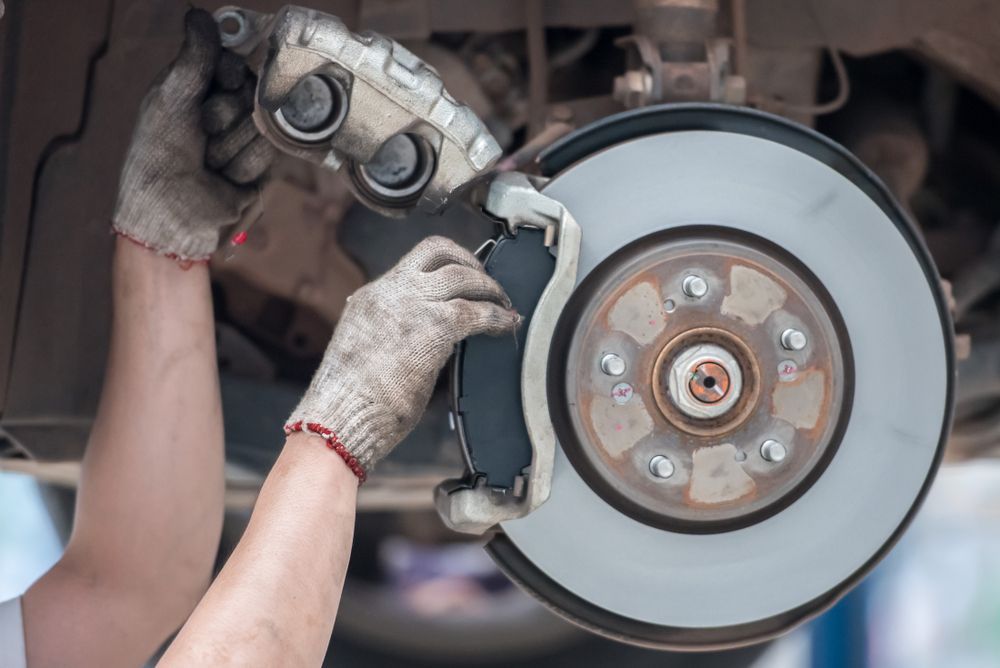
A car mechanic installing or inspecting a disc brake system
By Mechanical Care March 31, 2026
Understand brake repair and maintenance, common warning signs, and how regular servicing helps keep your vehicle safe, reliable, and performing at its best.

Mechanic In Belconnen Working On An Engine
By Mechanical Care March 13, 2026
Know what to ask before approving car repairs. Learn key questions to ask a mechanic in Belconnen and book your next service with confidence.

Mechanic Doing Maintenance on A Car
By Mechanical Care February 11, 2026
Wondering how often should you service your car? A trusted mechanic in Belconnen explains service intervals. Book your next service today.
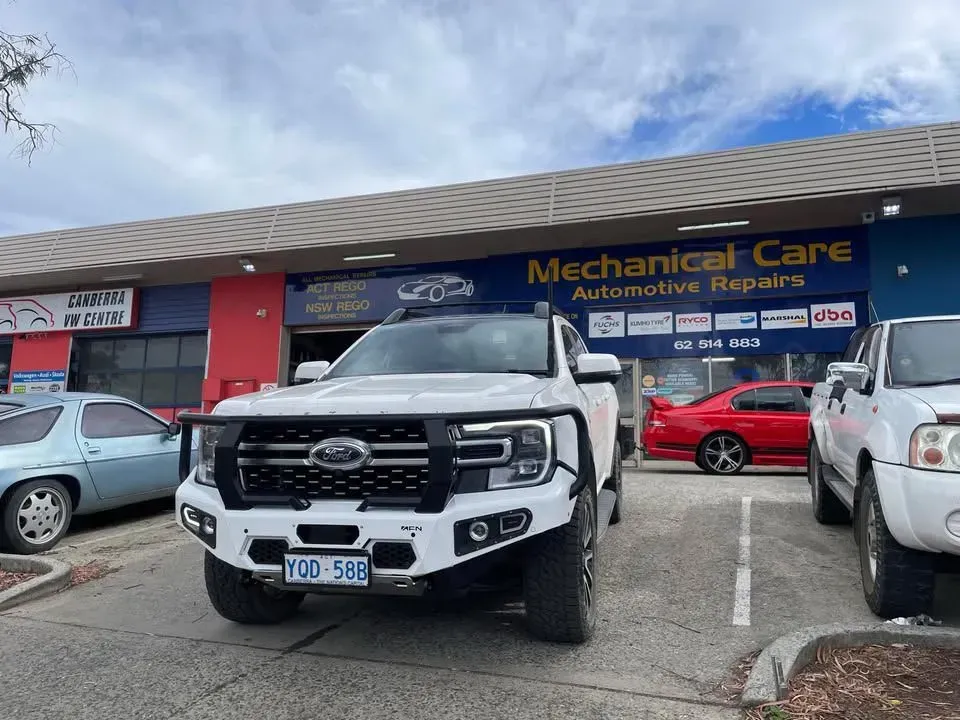
White Ford Pickup Truck Parked in Front of an Automotive Repair Shop  — Mechanical Care in Belconnen, ACT
By Mechanical Care January 13, 2026
Discover 2026 car servicing costs from a trusted mechanic in Belconnen. Compare prices, plan your budget and book your service today.
Mechanic Working Under a Car With a Wrench in a Garage — Mechanical Care in Belconnen, ACT
By Mechanical Care November 12, 2025
Learn why a local mechanic in Belconnen is your best choice for reliable service, convenience, and trusted expertise for your car.
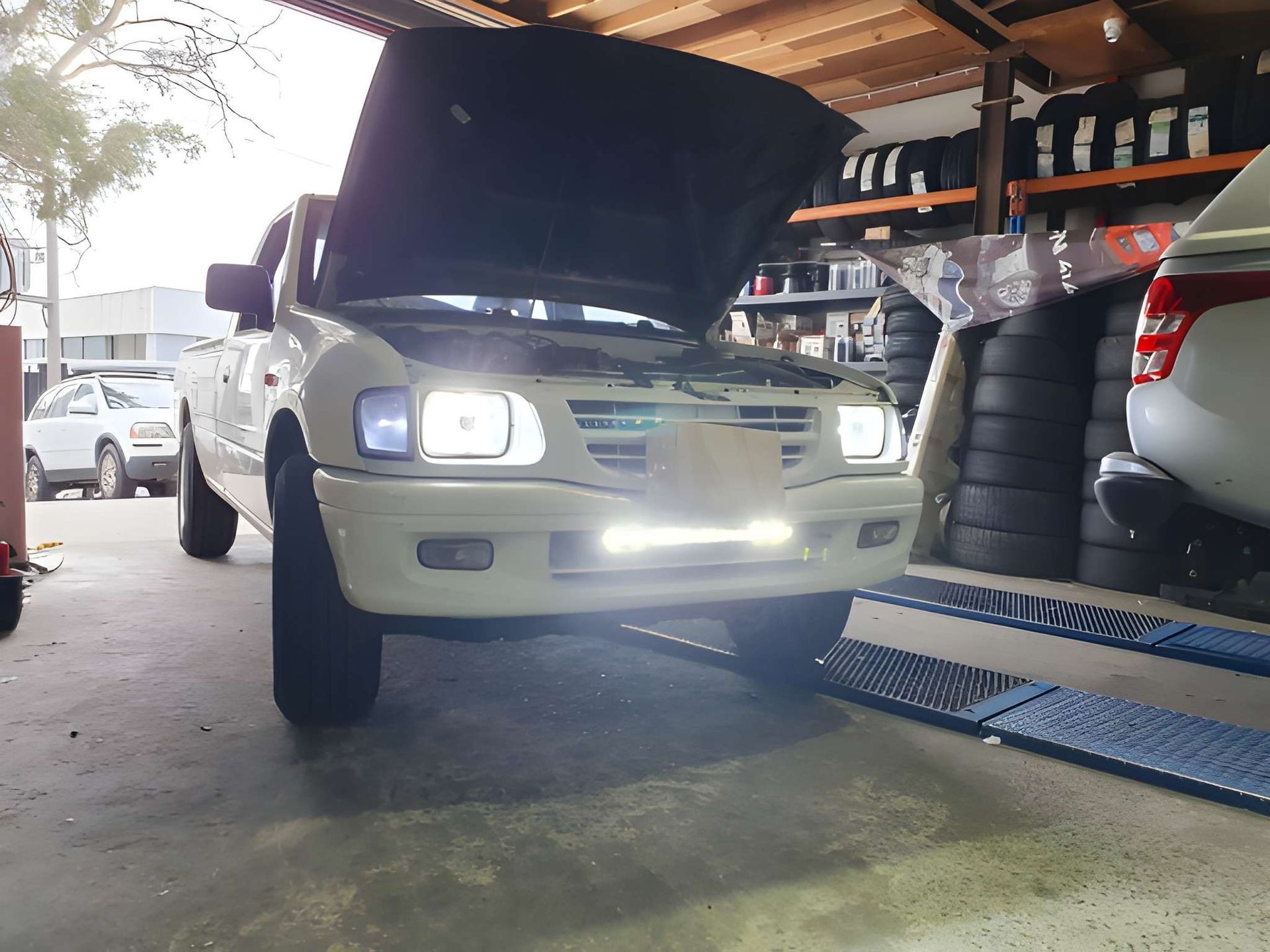
White Pickup Truck With Hood Open, Under Repair at a Garage — Mechanical Care in Belconnen, ACT
By Mechanical Care September 26, 2025
Discover five common car problems fixed by expert mechanic in Belconnen. Get reliable repairs and servicing from a trusted mechanic near you today.