How Mechanics Diagnose Hard-To-Find Vehicle Problems
Most drivers know when something is obviously wrong with their vehicle. A warning light appears, a strange noise develops or the car simply refuses to start. However, some faults are much harder to identify. They may appear intermittently, occur only under certain driving conditions or cause subtle changes in performance that are difficult to explain.
These hard-to-find vehicle problems can be frustrating for owners because they often seem to come and go without warning. Diagnosing them requires more than simply replacing parts or relying on fault codes. Professional mechanics use a structured process that combines technology, practical experience and methodical testing to pinpoint the cause of the issue.
Understanding how this process works can help vehicle owners appreciate why some diagnostics take time and why a thorough assessment often leads to more reliable and cost-effective repairs.
Listening To The Driver's Description Of The Problem
The diagnostic process often begins with a conversation. While modern vehicles generate a large amount of data, the driver's observations remain an important source of information.
Mechanics ask detailed questions about when the problem occurs, how frequently it happens and whether specific conditions trigger the fault. Small details can provide valuable clues that guide the inspection process.
Information commonly discussed includes:
- When the issue first appeared
- Driving conditions when symptoms occur
- Changes in fuel economy or performance
- Recent repairs or maintenance work
- Warning lights or unusual noises
Even when symptoms seem minor, sharing as much information as possible can help narrow down potential causes before testing begins.
Using Computer Diagnostics As A Starting Point
Modern vehicles rely on numerous electronic control systems. These systems constantly monitor engine performance, emissions, transmission operation and other vehicle functions.
Mechanics use specialised diagnostic scan tools to communicate with the vehicle's onboard computers. These tools can identify stored fault codes and provide real-time data from sensors throughout the vehicle.
Computer diagnostics can reveal issues involving:
- Engine management systems
- Transmission controls
- Fuel delivery systems
- Emissions components
- Electronic safety features
While fault codes are useful, they rarely tell the whole story. A code typically indicates where a symptom has been detected rather than identifying the exact component that requires repair. This is why further investigation is often necessary.
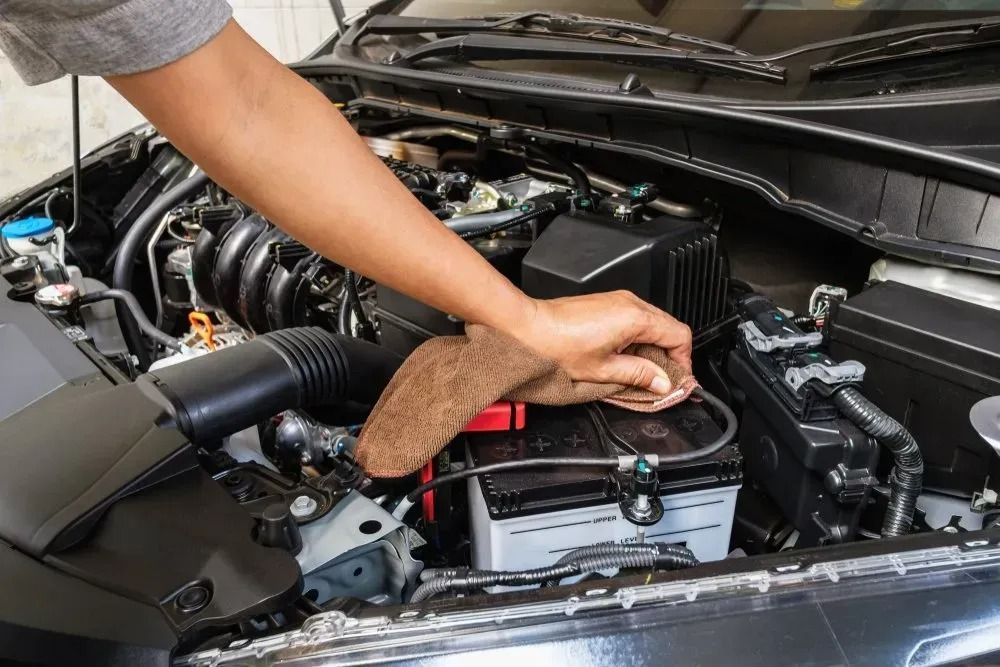
Conducting A Thorough Visual Inspection
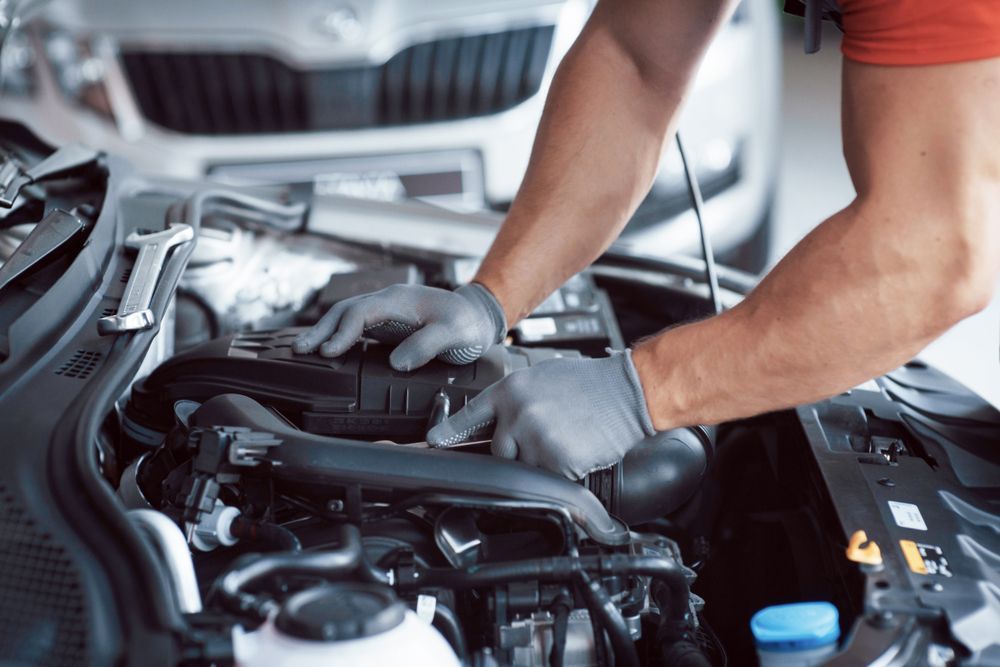
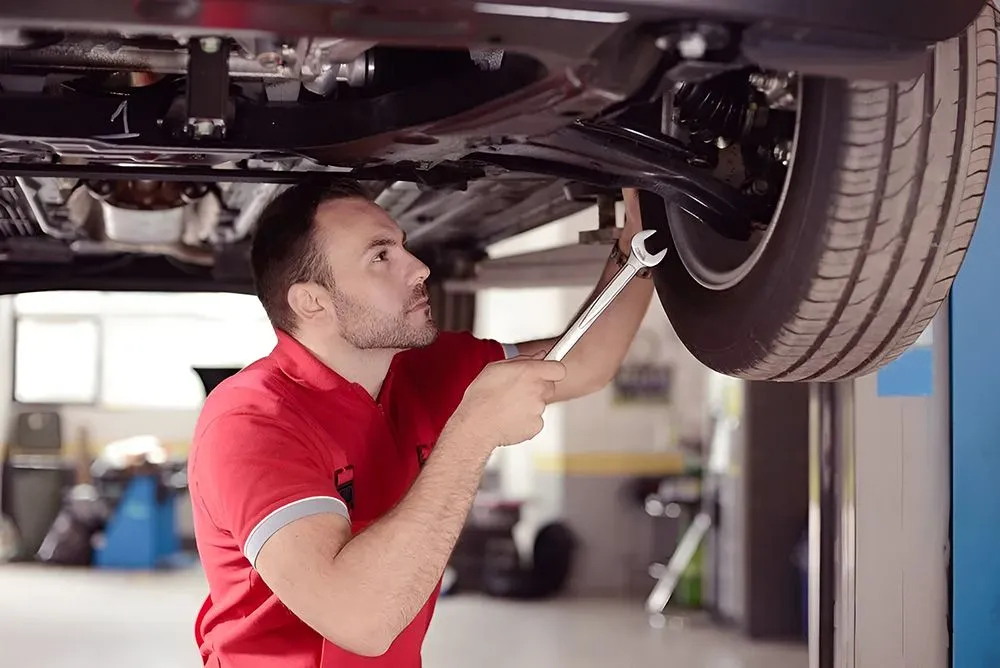
Not every vehicle problem is electronic. Many faults originate from physical wear, damage or deterioration that can only be identified through a careful inspection.
Experienced mechanics examine key components throughout the vehicle to look for signs of problems that may not trigger warning lights.
Areas often inspected include:
- Hoses and belts
- Electrical wiring and connectors
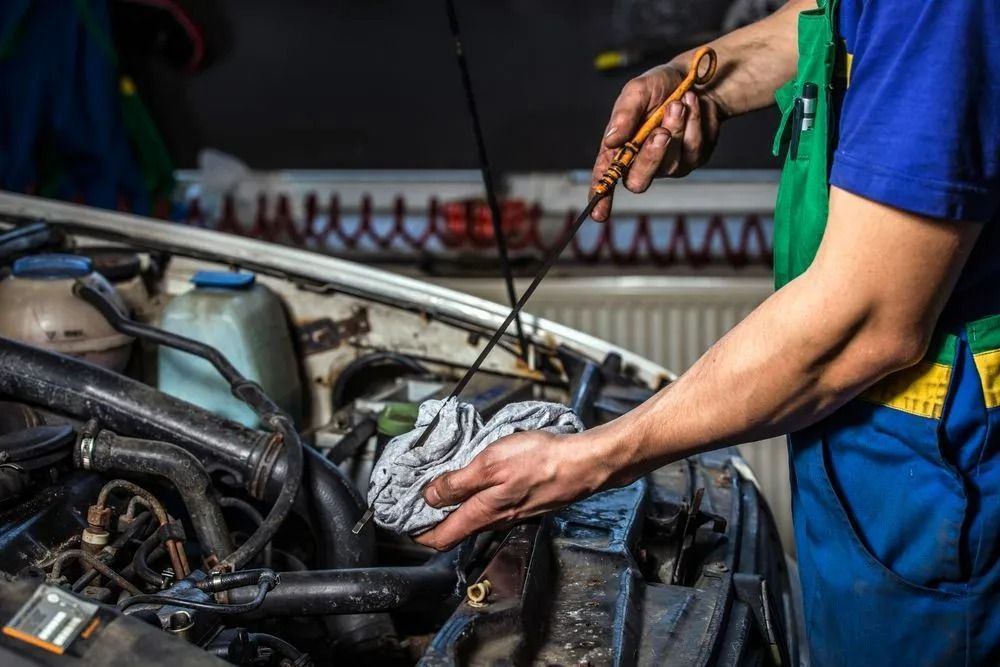
- Fluid levels and fluid condition
- Suspension components
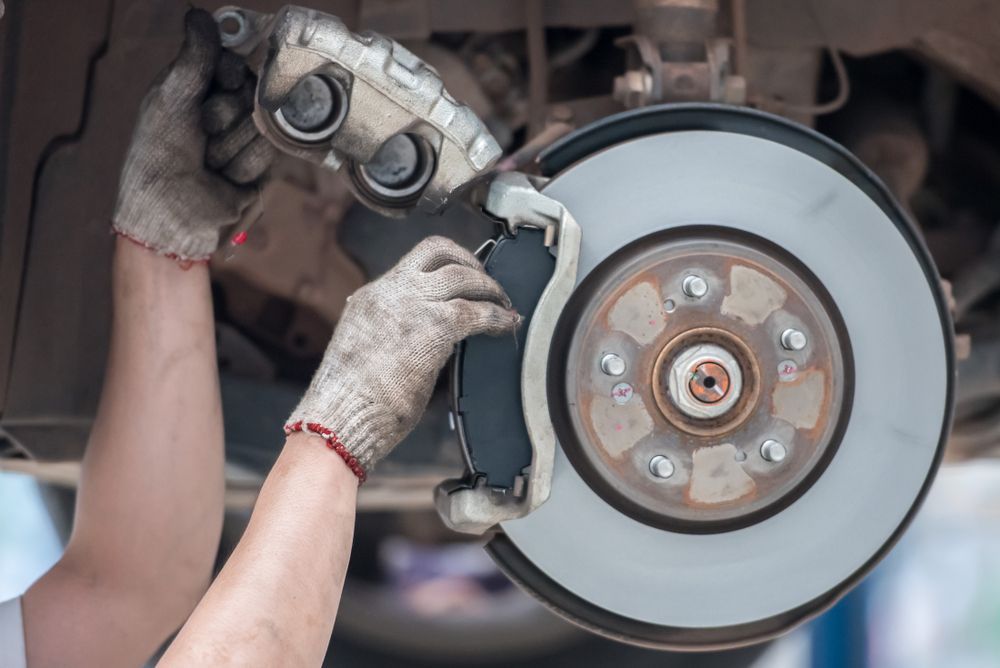
- Brake systems
- Engine and transmission mounts
A loose connection, damaged vacuum hose or leaking seal can sometimes cause symptoms that resemble more serious mechanical issues. Identifying these problems early can prevent unnecessary repairs.
Recreating The Fault Through Road Testing
Intermittent problems can be among the most challenging faults to diagnose. If the vehicle performs normally while stationary, a road test may be required to reproduce the issue.
Mechanics drive the vehicle under conditions that match the customer's description while monitoring vehicle performance and system data.
During a road test, they may assess:
- Engine responsiveness
- Gear shifting behaviour
- Steering performance
- Brake operation
- Suspension noises
- Electrical system function
Road testing provides real-world information that cannot always be replicated in the workshop. It also helps confirm whether repairs have successfully resolved the issue.
Analysing Live Vehicle Data
Modern diagnostic equipment allows mechanics to observe vehicle systems operating in real time. Instead of relying solely on stored fault codes, they can analyse live data streams from dozens of sensors simultaneously.
This approach helps identify irregular readings that may not trigger a fault code but still indicate a developing problem.
Examples of monitored data include:
- Fuel pressure readings
- Air-fuel ratios
- Engine temperature
- Sensor voltage outputs
- Ignition timing
- Battery charging performance
By comparing live data against manufacturer specifications, mechanics can identify abnormalities that would otherwise remain hidden.
Systematically Eliminating Potential Causes
One of the most important aspects of professional diagnostics is the process of elimination. Rather than guessing or replacing multiple components, mechanics test individual systems methodically.
This structured approach reduces the risk of unnecessary repairs and helps ensure the actual fault is identified.
The process may involve:
- Component testing
- Electrical circuit checks
- Pressure testing
- Sensor verification
- Performance measurements
- Manufacturer diagnostic procedures
Systematic fault finding often requires patience, particularly when symptoms occur only occasionally. However, it remains one of the most reliable ways to achieve an accurate diagnosis.
Using Specialist Equipment For Advanced Testing
Some vehicle faults require equipment beyond standard diagnostic scanners. Depending on the nature of the problem, mechanics may use specialised tools to gather additional information.
Advanced diagnostic equipment can provide a more detailed picture of how individual systems are functioning.
Examples include:
- Oscilloscopes for electrical signal analysis
- Smoke machines for vacuum leak detection
- Fuel pressure testing equipment
- Battery and charging system analysers
- Thermal imaging devices
- Compression and leak-down testing tools
These technologies allow mechanics to investigate issues at a deeper level and confirm the condition of components before recommending repairs.
Confirming The Repair And Preventing Future Issues
Finding the fault is only part of the process. Once repairs are completed, mechanics perform follow-up testing to ensure the problem has been resolved.
Verification is particularly important for intermittent faults, as the issue may not reappear immediately.
Post-repair checks often include:
- Additional road testing
- Clearing and monitoring fault codes
- Rechecking live system data
- Inspecting repaired components
- Confirming vehicle performance
Mechanics may also identify maintenance items or wear-related concerns that contributed to the fault. Addressing these issues can help reduce the likelihood of future breakdowns and improve long-term vehicle reliability.
Why Professional Diagnostics Save Time And Money
When a vehicle develops an unusual problem, it can be tempting to focus on the most obvious component or attempt a quick fix. Unfortunately, this approach can lead to unnecessary parts replacement and ongoing frustration if the underlying issue remains unresolved.
Professional diagnostic services provide a structured and evidence-based approach to fault finding. By combining computer diagnostics, visual inspections, road testing and specialised equipment, mechanics can identify the root cause of complex vehicle issues rather than simply treating the symptoms.
This process often saves money in the long run because repairs are targeted accurately from the outset. It also helps vehicle owners gain confidence that the problem has been properly investigated and resolved.
Contact Mechanical Care For Professional Vehicle Diagnostics
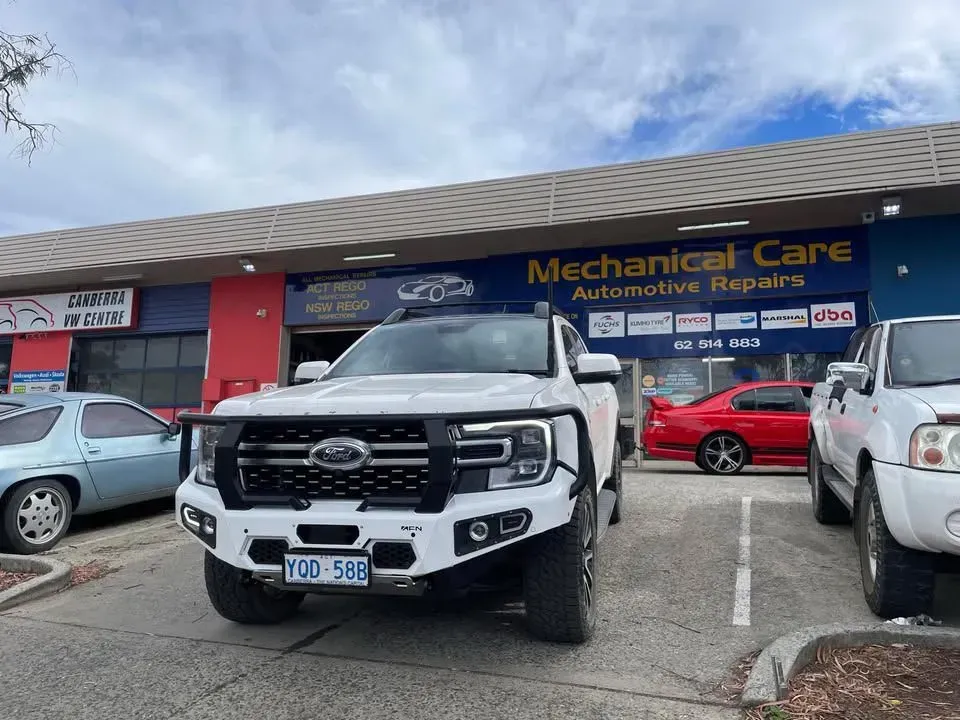
When unusual noises, intermittent faults or unexplained performance issues leave you searching for a mechanic near me, professional diagnostics can make all the difference. We at Mechanical Care take a thorough approach to identifying complex vehicle problems, using modern diagnostic equipment and systematic testing to uncover the real cause of the issue.
Whether you need a trusted mechanic in Belconnen for ongoing maintenance or help with a difficult-to-diagnose fault, contact our team today to book an inspection and keep your vehicle performing reliably on the roads across Canberra.