Mechanic Belconnen: What Wheel Alignment Really Costs (And When You Need It)
Wheel alignment in Australia typically costs around $70 to $150 for a standard passenger vehicle, although prices vary depending on the car and work required. If your vehicle pulls to one side or your tyres are wearing unevenly, an alignment check may help identify the problem.
At Mechanical Care, we know that steering problems aren't always caused by incorrect wheel alignment. As a trusted mechanic in Belconnen, we help drivers investigate tyre wear, steering concerns and suspension issues before recommending suitable repairs.
Understanding what wheel alignment involves, how much it costs and when it's necessary can help you avoid unnecessary expenses and keep your vehicle handling properly.
How Much Does Wheel Alignment Cost?
For most passenger vehicles, wheel alignment costs approximately $70 to $150 in Australia. This is a general pricing guide rather than a confirmed Mechanical Care quote. More complex vehicles or additional mechanical repairs may increase the total cost.
Typical indicative prices include:
- Front-wheel alignment: Approximately $70 to $100.
- Four-wheel alignment: Approximately $90 to $150.
- Complex alignments: $150 or more, depending on the vehicle.
Your final tyre alignment cost depends on your vehicle's suspension design, the adjustments required and whether any components need repairing beforehand.

For example, a vehicle with worn suspension bushes may require replacement parts before its wheels can be accurately aligned. In this situation, the repair costs would generally be separate from the alignment service.
What Affects Wheel Alignment Cost?
Several factors influence the price of a wheel alignment, particularly your vehicle's design and mechanical condition.
Vehicle Type
Small passenger cars often require relatively straightforward adjustments. Larger SUVs, 4WDs and vehicles with complex suspension systems may take longer to inspect and align. Some vehicles also have limited adjustment points, which can affect the work required to achieve the manufacturer's specifications.
Two-Wheel vs Four-Wheel Alignment
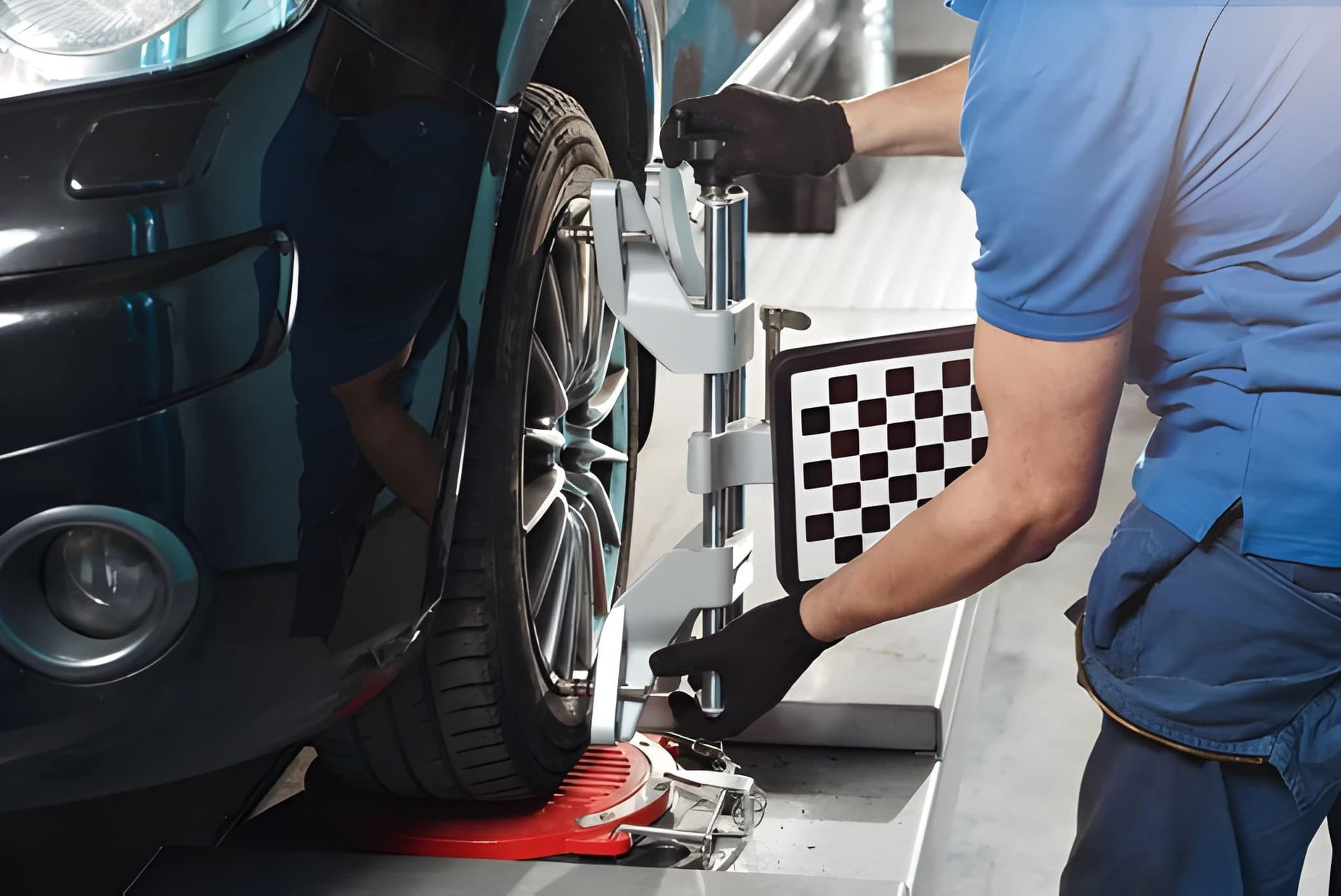
Front-wheel alignment focuses on the front wheels, while four-wheel alignment assesses the relationship between all four wheels.
The appropriate procedure depends on your vehicle's suspension configuration. Not every vehicle has adjustable rear-wheel angles, so a four-wheel measurement doesn't necessarily mean adjustments can be made at every wheel.
Steering and Suspension Condition
Worn ball joints, suspension bushes and steering components can affect wheel positioning. If these parts have excessive movement, adjusting the alignment alone may not resolve the problem. Additional repairs may be necessary before the alignment can be completed reliably.
How Do You Know If You Need a Wheel Alignment?
Incorrect wheel alignment can affect steering, handling and tyre wear. However, similar symptoms can result from other mechanical problems, making proper diagnosis important.
Your Car Pulls to One Side
A vehicle that consistently drifts left or right on a relatively level road may have incorrect wheel alignment. However, uneven tyre pressures, tyre defects, brake problems and road camber can also cause pulling. If the problem persists, arranging an inspection is worthwhile.
Your Steering Wheel Is Crooked
Your steering wheel should generally sit centred when you're driving straight. If it appears noticeably off-centre, the wheel angles may need checking. This sometimes happens after striking a pothole, hitting a kerb or completing steering and suspension repairs.
Your Tyres Are Wearing Unevenly
Excessive wear along the inner or outer edge of a tyre can indicate incorrect alignment. You might notice one shoulder wearing significantly faster than the remaining tread. However, tyre pressure and worn suspension components can also contribute to irregular wear.
Your Vehicle Feels Unstable
Poor alignment may affect steering response and handling, particularly when cornering. If your vehicle feels unusually unstable, worn shock absorbers or steering components could also be responsible. Sudden or severe handling problems should be assessed before you continue driving.
Why Wheel Alignment Isn't Always the Problem
One of the most important things to understand about wheel alignment is that the tyres aren't always responsible for the symptoms you're experiencing. Your wheels rely on steering and suspension components to maintain their intended position. When these components become worn or damaged, the wheels can move excessively while driving.
For example, deteriorating suspension bushes may allow unwanted movement, while worn shock absorbers can contribute to irregular tyre wear by reducing control over wheel movement. An alignment adjustment cannot repair these faults. That's why appropriate suspension inspections are important when investigating persistent tyre wear or handling problems.
Consider a hypothetical driver who books an alignment because their front tyres are wearing unevenly. If a worn steering component is responsible, adjusting the wheels without addressing that component may not prevent the problem from returning.
Identifying the underlying cause first can help prevent repeated adjustments, unnecessary tyre replacements and further mechanical problems.
When Should You Get a Wheel Alignment?
Wheel alignment isn't necessarily required during every routine service. However, certain circumstances make an inspection worthwhile.
After Hitting a Pothole
A significant pothole impact can affect wheel alignment or damage suspension components. If your steering feels different afterwards, arranging an inspection is sensible.
When Replacing Tyres
If your previous tyres developed uneven wear, checking alignment before fitting replacements can help identify problems that might otherwise affect the new tyres.
After Suspension Repairs
Replacing tie rod ends, control arms or certain suspension components can affect wheel geometry. An alignment check may be recommended after these repairs to confirm the wheels meet manufacturer specifications.
When Steering Feels Different
A crooked steering wheel, persistent pulling or noticeable changes in handling shouldn't be ignored. Having the vehicle inspected early may help identify the cause before additional tyre wear develops.
Wheel Alignment vs Wheel Balancing
Wheel alignment and wheel balancing address different problems, although both contribute to vehicle handling and tyre performance. Wheel alignment involves measuring and adjusting wheel angles according to manufacturer specifications. Incorrect angles can contribute to uneven tyre wear and steering problems.
Wheel balancing corrects uneven weight distribution within a wheel and tyre assembly. Small balancing weights help reduce vibrations caused by imbalance. For example, vibration through the steering wheel at particular speeds may indicate a balancing problem. A crooked steering wheel or excessive tyre shoulder wear may suggest alignment or suspension issues.
Because symptoms can overlap, an inspection is the most reliable way to determine which service your vehicle requires.
Is Wheel Alignment Worth the Money?
Wheel alignment can be worthwhile when incorrect wheel angles are causing premature tyre wear or affecting vehicle handling. Replacing tyres can be expensive, particularly for larger vehicles. If incorrect alignment causes otherwise serviceable tyres to wear prematurely, the replacement cost may exceed the price of an alignment.
Consider a hypothetical driver who purchases four tyres for $600. If an alignment problem causes those tyres to wear unevenly, they may need replacing earlier than expected.
However, paying for alignment won't necessarily solve problems caused by damaged tyres or worn suspension components. The best approach is to establish the cause before authorising adjustments. Our article on
5 common car problems fixed by Belconnen mechanics explores other mechanical concerns that can affect everyday driving.
Choosing a Mechanic for Wheel Alignment in Canberra
Choosing a workshop for wheel alignment in Canberra involves more than comparing advertised prices. It's worth considering whether the workshop can also investigate steering and suspension problems. Before booking, ask what the quoted alignment includes and whether additional repairs will be discussed beforehand.
At Mechanical Care, we provide tyre services and
wheel alignment in Belconnen. Our goal is to help Canberra drivers investigate handling problems and maintain their vehicles.
Get Your Wheel Alignment Checked
Wheel alignment generally costs around $70 to $150 for a standard passenger vehicle, although more complex adjustments and additional repairs can cost more. If your car pulls to one side, your steering wheel sits crooked or your tyres are wearing unevenly, incorrect alignment may be responsible. However, worn steering and suspension components can produce similar symptoms, so identifying the underlying cause is essential.
At
Mechanical Care, we help Belconnen drivers investigate tyre wear, steering and suspension concerns. If your vehicle isn't handling as expected,
contact our team to discuss your symptoms and arrange an appropriate inspection.
Frequently Asked Questions
How Long Does a Wheel Alignment Take?
A straightforward wheel alignment generally takes around 30 to 60 minutes. More complex vehicles or additional mechanical problems may require longer. Your workshop can provide an estimated timeframe when booking.
Can Incorrect Wheel Alignment Increase Fuel Consumption?
Yes, incorrect wheel alignment can increase rolling resistance, potentially affecting fuel consumption. The impact depends on the vehicle and severity of the problem. Maintaining appropriate tyre pressures and wheel alignment can support efficient vehicle operation.
Will New Tyres Fix Incorrect Wheel Alignment?
No. Replacing tyres doesn't correct incorrect wheel angles or worn suspension components. If the underlying problem remains, your new tyres may develop similar uneven wear patterns.
Can You Drive With Incorrect Wheel Alignment?
Minor alignment problems may not immediately prevent driving, but they can increase tyre wear and affect handling. If your vehicle pulls severely or feels unstable, stop somewhere safe and arrange an inspection.
How Often Should Wheel Alignment Be Checked?
There's no universal interval for every vehicle. An alignment check may be worthwhile after significant impacts, relevant suspension repairs or the appearance of unusual tyre wear. Follow your manufacturer's recommendations where applicable.
Does Wheel Alignment Fix Steering Wheel Vibration?
Not always. Steering wheel vibration can result from wheel imbalance, damaged tyres, bent wheels or worn steering components. A mechanical inspection can help determine whether alignment, balancing or another repair is required.